
HM10 System Design for Dynamic Tariffs and Emergency Backup
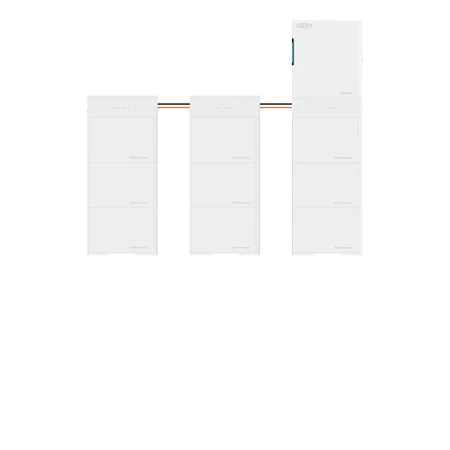
HM10 combines a 10kW hybrid inverter platform, battery storage management, dynamic tariff scheduling, and emergency backup control in one residential energy solution. By using real-time electricity prices, solar generation data, and household consumption patterns, the system can reduce grid electricity usage during expensive periods. A properly configured HM10 installation can achieve higher self-consumption rates, maintain backup capacity, and support daily energy management with battery systems ranging from 10kWh to larger capacities.
The HM10 system is designed for households that need both energy cost control and reliable backup power. Traditional storage systems usually follow fixed charging and discharging schedules, while HM10 adjusts operation according to electricity prices, solar production, and battery status. In markets using time-of-use tariffs, electricity prices may differ by 100%–300% between off-peak and peak periods. A battery system that charges at $0.10/kWh and supplies loads during $0.30/kWh periods can reduce electricity expenses when operated with suitable efficiency.
A modern home energy storage system needs to manage several energy sources at the same time. HM10 coordinates photovoltaic power, grid electricity, battery storage, and household loads through an integrated control strategy. During daylight hours, solar energy is used for household consumption first. Surplus solar power can charge the battery instead of being exported. When solar production decreases in the evening, stored energy can supply appliances before grid electricity is used.
In a typical residential application, the energy flow is managed in four steps: solar generation → household consumption → battery charging → grid interaction. This structure allows the system to improve solar utilization rates that can exceed 70%–90% depending on household consumption patterns and system size.
Battery charging and discharging schedules are adjusted according to electricity price information. In regions with dynamic tariffs, the system can charge batteries during low-price periods and release stored energy during expensive hours. For example, a 15kWh battery operating with 90% round-trip efficiency can provide around 13.5kWh of usable energy after one complete cycle. If the tariff difference reaches $0.20/kWh, each cycle can provide approximately $2.70 in energy cost reduction before considering system losses and battery aging.
The system design also considers battery lifetime. Lithium iron phosphate batteries used in residential storage systems commonly support more than 4,000–6,000 cycles under suitable temperature and charging conditions. Maintaining the battery within recommended operating ranges, such as 10%–90% state of charge for daily operation, can reduce unnecessary degradation. HM10 can reserve a specific battery percentage for emergency use, preventing daily tariff optimization from consuming all available energy.
| Function | HM10 Operation | Typical Parameter |
|---|---|---|
| Solar management | Uses PV power for loads and charging | 5kW–18kW PV input depending on configuration |
| Battery control | Controls charging and discharge timing | 10kWh+ storage options |
| Grid interaction | Responds to electricity prices | Time-of-use and dynamic tariffs |
| Backup operation | Supplies selected circuits during outages | Millisecond-level switching with compatible equipment |
Emergency backup capability is another important part of the system design. Grid interruptions caused by storms, equipment failures, or infrastructure problems can affect household electricity availability. HM10 supports backup output management by separating essential loads from non-essential loads. Refrigerators, lighting, communication devices, security systems, and heating controls can remain powered while high-consumption devices are limited according to battery capacity.
A 10kW inverter combined with a 20kWh battery can theoretically provide 2kW average power for around 10 hours before considering conversion losses. Actual backup time depends on household consumption, temperature, battery condition, and reserve settings.
Load management improves backup performance because not all household devices require continuous operation. A typical backup configuration may prioritize 30%–50% of household circuits while excluding high-power equipment such as electric vehicle chargers or large heating systems. This approach allows available battery energy to support essential household functions for longer periods.
Dynamic tariff control requires accurate monitoring of electricity consumption. HM10 can collect information from smart meters and energy monitoring devices to understand daily usage patterns. Many households experience the highest electricity demand between 17:00 and 21:00 when cooking, lighting, entertainment equipment, and climate systems operate simultaneously. During these hours, battery discharge can reduce grid consumption and lower exposure to higher electricity rates.
Weather conditions also influence energy scheduling. Solar production can change significantly between seasons. For example, photovoltaic output during winter months may decrease by 30%–50% compared with summer depending on geographic location and installation angle. HM10 can adjust charging behavior according to available solar power and expected household demand, allowing more stable energy management throughout the year.
The communication architecture of HM10 supports remote monitoring and system analysis. Users can view battery state of charge, photovoltaic generation, grid consumption, and backup status through monitoring platforms. Data recording allows users to compare monthly energy performance, identify consumption changes, and adjust operating settings. In many residential installations, energy monitoring can reveal 10%–20% electricity usage differences caused by changes in daily habits.
System safety management includes battery protection, inverter protection, and grid protection functions. The inverter monitors voltage, frequency, current, and temperature conditions during operation. Battery management systems supervise cell voltage balance, charging temperature, and discharge limits. These protection functions help maintain stable operation during both normal energy scheduling and emergency backup conditions.
The system design combines economic operation with power availability. Users can prioritize lower electricity costs, higher solar usage, or stronger backup preparation depending on personal requirements.
The installation process requires correct sizing between photovoltaic capacity, inverter power, battery capacity, and household demand. An oversized battery may increase initial cost without improving daily utilization, while insufficient storage may reduce backup duration. A household using 25kWh electricity per day may require a different configuration from a household using 10kWh per day, even if both use the same inverter power level.
Future residential energy systems are expected to include more automated pricing response and grid interaction functions. Since 2020, many electricity markets have increased the use of flexible pricing models and distributed energy programs. Systems like HM10 provide the hardware and software foundation needed for households to participate in these energy programs while maintaining personal backup capability.
HM10 provides a practical approach for combining renewable energy use, electricity cost management, and emergency power supply. Through coordinated control of solar generation, battery storage, grid electricity, and household loads, the system supports stable energy operation under different electricity conditions. The combination of dynamic tariff response and backup functionality allows residential users to manage daily electricity consumption while maintaining power availability during unexpected grid events.